Leave Your Message
0%

You know, the healthcare field has really been changing a lot lately, all thanks to new innovations that focus on improving patient care. One of the coolest advancements, in my opinion, is the Antibiotic Impregnated Catheters. These little guys can actually cut down the risk of catheter-associated urinary tract infections by a whopping 75%! I came across this study that was published in the Journal of Hospital Infection, and it’s pretty impressive. As hospitals try to boost patient outcomes and keep infection rates low, we’re seeing a huge rise in the need for high-quality medical devices.
World Class Chinese Factory Revolutionizes Healthcare with Best Antibiotic Impregnated Catheter Solutions

Here at Tianck Medical CO., Ltd., we’re proud to be leading the charge in this transformation. We’re all about crafting precision-engineered products that meet the ever-changing needs of healthcare providers. Our dedication to quality and innovation really sets us apart as a top manufacturer of Antibiotic Impregnated Catheters, ensuring that medical professionals have access to safer and more effective solutions for their patients.

Innovative Antibiotic Impregnated Catheters: A Game Changer in Healthcare

You know, lately there’s been a pretty big shift in the healthcare scene, especially with these really cool antibiotic-impregnated catheters making their way into the spotlight. According to this report from Markets and Markets, they’re predicting that the global catheter market will hit around 45 billion bucks by 2025. That's a whopping growth rate of about 8.7% per year! It's fascinating how much this boom is tied to the growing need for better solutions to tackle healthcare-associated infections—those pesky infections that plague millions of people every year. These new catheters are seriously game-changers, cutting down the chances of infections linked to catheter use quite dramatically.

There are some solid clinical studies backing this up, too. Like, one research piece in the Journal of Urology showed that using antibiotic-impregnated urinary catheters slashed catheter-associated urinary tract infections by about 50%! That's huge! As healthcare places aim for improved patient outcomes, these innovative solutions are not just making things safer but also helping save a ton of money on infection treatments. It’s really exciting to see how these advanced catheter technologies are shaking things up in patient care, ultimately leading to a major transformation in the way healthcare is delivered. Who knew catheters could be so groundbreaking?

Impact of Antibiotic Impregnated Catheters on Healthcare Outcomes

The Role of Chinese Manufacturing in Advancing Medical Technologies

You know, the way Chinese manufacturing is really taking off has been a game changer for a bunch of different industries, especially in healthcare. There’s a huge need for innovative solutions right now. Just take a look at those Chinese factories, like the one that's rolled out antibiotic-impregnated catheter solutions. They’re really leading the charge in tackling some serious medical challenges. By using advanced tech and super efficient production methods, these factories are cranking out high-quality, cost-effective medical devices that meet international standards. That’s a big deal because it not only boosts patient safety but also makes life-saving technologies more accessible all over the world.

And here’s something cool: when local researchers team up with manufacturers, it really sparks a culture of innovation. They're pushing each other to develop some pretty sophisticated medical solutions. Take the integration of antibiotic coatings on catheters, for example. This is a significant step forward in preventing infections, which are sadly common when it comes to catheter use. This teamwork shows that Chinese manufacturing isn’t just about churning out products in bulk; it’s about pushing the envelope on medical technology. As the world leans more on these innovations, you can really see how crucial China’s role is in shaping the future of healthcare.

Comparative Analysis of Traditional vs. Antibiotic Coated Catheters

You know, the healthcare world has really been buzzing lately with some exciting breakthroughs in catheter tech! One of the big ones is the launch of antibiotic-coated catheters. Now, traditional catheters have done an okay job for a lot of medical procedures, but let's be real—they can also bring along a pretty hefty risk of infection. This can mean longer hospital stays and, of course, skyrocketing healthcare costs. The usual catheters don’t have any built-in infection-fighting features, which is kind of a bummer because patients can end up dealing with nasty complications like urinary tract infections.

But here’s the cool part: antibiotic-impregnated catheters are changing the game. By actually embedding antibiotics right into the catheter material, these clever devices really cut down on the chances of bacteria hanging around. Some studies say that when you compare them, antibiotic-coated catheters can slash infection rates by over 50% in clinical use! That’s huge! Not only does this mean better outcomes for patients, but it also helps the healthcare system run smoother by reducing the need for extra treatments and saving on hospital resources. With these innovative solutions gaining popularity, we might just see a shift in how patient care is delivered, and overall healthcare efficiency could get a real boost!

World Class Chinese Factory Revolutionizes Healthcare with Best Antibiotic Impregnated Catheter Solutions - Comparative Analysis of Traditional vs. Antibiotic Coated Catheters

Catheter Type Infection Rate (%) Duration of Use (Days) Cost per Unit ($) Patient Comfort Level (1-10)
Traditional Catheter 15% 7 10.00 6
Antibiotic Coated Catheter 5% 14 15.00 8
Silver Coated Catheter 4% 12 20.00 7

Case Studies: Successful Implementations in Hospitals Worldwide

You know, lately, the healthcare industry has really started embracing some amazing medical technologies, especially when it comes to catheters. A report from MarketsandMarkets predicts that the global catheter market is expected to hit a whopping USD 48.5 billion by 2025, growing at an annual rate of about 7.1%. It’s really interesting—this growth is largely driven by the rise in chronic diseases and our aging population. One of the coolest developments has been the introduction of antibiotic-impregnated catheters. These are total game-changers, as they've been able to dramatically cut down on catheter-associated infections, which account for around 30% of all healthcare-related infections right now.

Take a look at some case studies from hospitals across the globe, and you’ll see some pretty awesome results from using these new solutions. For instance, there’s this top hospital in Europe that reported cutting its infection rates by about 50% after they switched to these antibiotic-impregnated catheters. And over in North America, a healthcare facility noticed a 25% drop in patient readmissions, which they directly linked to the improved performance of these special catheters. It really goes to show just how crucial top-notch manufacturing and innovative tech are in transforming patient care, making a real difference in patient outcomes and boosting overall efficiency in healthcare.

The Future of In-Vivo Antibiotic Delivery Systems in Patient Care

You know, when it comes to taking care of patients, the launch of in-vivo antibiotic delivery systems is really a game changer—especially for tackling those pesky catheter-associated infections. It’s pretty wild, but according to the CDC, these infections account for almost 30% of all healthcare-related infections. That not only means longer hospital stays but also a spike in healthcare costs. A recent report from the Global Health Data Exchange suggests that using effective antibiotic-impregnated catheters could actually cut these rates by more than 50%. It really highlights how crucial it is to come up with new ideas in healthcare!

What’s even cooler is that leading factories in China are using some next-level materials and tech to create catheters that can release antibiotics right where they’re needed, at the site of infection. This not only boosts localized treatment but also helps limit how much antibiotics enter the system, which is super important since we don’t want to worsen the issue of antibiotic resistance. A study in the Journal of Antimicrobial Chemotherapy even showed that these antibiotic-laced catheters can keep effective drug levels for several days, making a real difference in patient recovery.

By embracing these in-vivo antibiotic delivery systems, healthcare providers can offer safer, more effective treatment options and really change the game in patient care around the world.

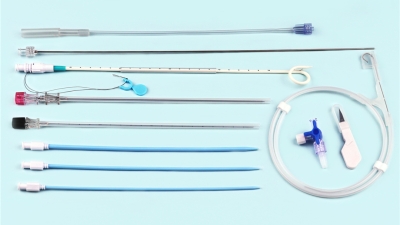
Understanding the Importance and Applications of the Nephrostomy Drainage Catheter Set in Modern Medicine

In modern medicine, the management of urinary obstructions is crucial for maintaining kidney health and overall patient wellbeing. The nephrostomy Drainage Catheter set plays a pivotal role in addressing these complications through minimally invasive procedures. Specifically designed for percutaneous nephrostomy (PCN), this set allows for direct drainage of urine from the kidney when normal urinary flow is hindered due to various medical conditions, such as ureteral blockages or leakage.

The Tianck Medical nephrostomy drainage set is a remarkable solution for healthcare professionals tasked with relieving urinary obstruction. With its ability to divert urine, the set not only alleviates discomfort but also facilitates essential diagnostic tests and therapeutic interventions. Additionally, it effectively drains infected urine, a critical step in preventing sepsis and protecting kidney function in patients facing long-term ureteral obstructions. Available in multiple sizes, including 8F, 10F, 12F, and 14F, this versatile drainage set meets the diverse needs of different patients, ensuring optimal care across various medical scenarios.

As we continue to advance in medical technology, products like the nephrostomy drainage set will remain indispensable in the fight against urinary complications, providing safe and effective solutions that enhance patient outcomes and promote renal health.

FAQS

: What are antibiotic impregnated catheters?

: Antibiotic impregnated catheters are medical devices designed with antibiotics embedded in their material, aimed at reducing the risk of infections associated with catheter use.

How do antibiotic impregnated catheters compare to traditional catheters?

Compared to traditional catheters, antibiotic impregnated catheters significantly reduce the likelihood of infections, decreasing catheter-associated urinary tract infections by up to 50%.

What is the projected growth of the global catheter market?

The global catheter market is projected to reach USD 45 billion by 2025, with a compound annual growth rate (CAGR) of 8.7%.

What impact do antibiotic impregnated catheters have on healthcare costs?

These catheters help significantly reduce treatment costs associated with managing infections, thereby promoting a more efficient healthcare system.

What are healthcare-associated infections (HAIs)?

Healthcare-associated infections (HAIs) are infections that patients acquire while receiving treatment for medical or surgical conditions, affecting millions of individuals annually.

Why are antibiotic impregnated catheters considered a game changer in healthcare?

They drastically reduce infection rates linked to catheter use, improving patient safety and outcomes, and thereby transforming overall healthcare delivery.

What evidence supports the effectiveness of antibiotic impregnated catheters?

Clinical studies, including a report in the Journal of Urology, demonstrate that these catheters can decrease infection rates, such as catheter-associated urinary tract infections, by significant margins.

How do antibiotic impregnated catheters enhance patient care?

By minimizing infection risks and improving safety, these catheters lead to better patient outcomes, ultimately redefining care standards and enhancing healthcare efficiency.

What complications are associated with traditional catheters?

Traditional catheters carry a higher risk of infections, which can lead to complications like urinary tract infections, extended hospital stays, and increased healthcare costs.

Are there specific patient populations that benefit more from antibiotic impregnated catheters?

Patients requiring long-term catheterization or those with a history of recurrent infections are among those who can benefit significantly from the use of antibiotic impregnated catheters.


Sophie

Sophie

Sophie is a dedicated marketing professional at Tianck Medical CO., Ltd., where she leverages her expertise to enhance patient outcomes and advance the healthcare landscape. With a passion for precision-engineered medical products, she plays a key role in articulating the company’s mission to meet......
Previous Exploring Unique Options for Micro Guide Wire in Global Markets